
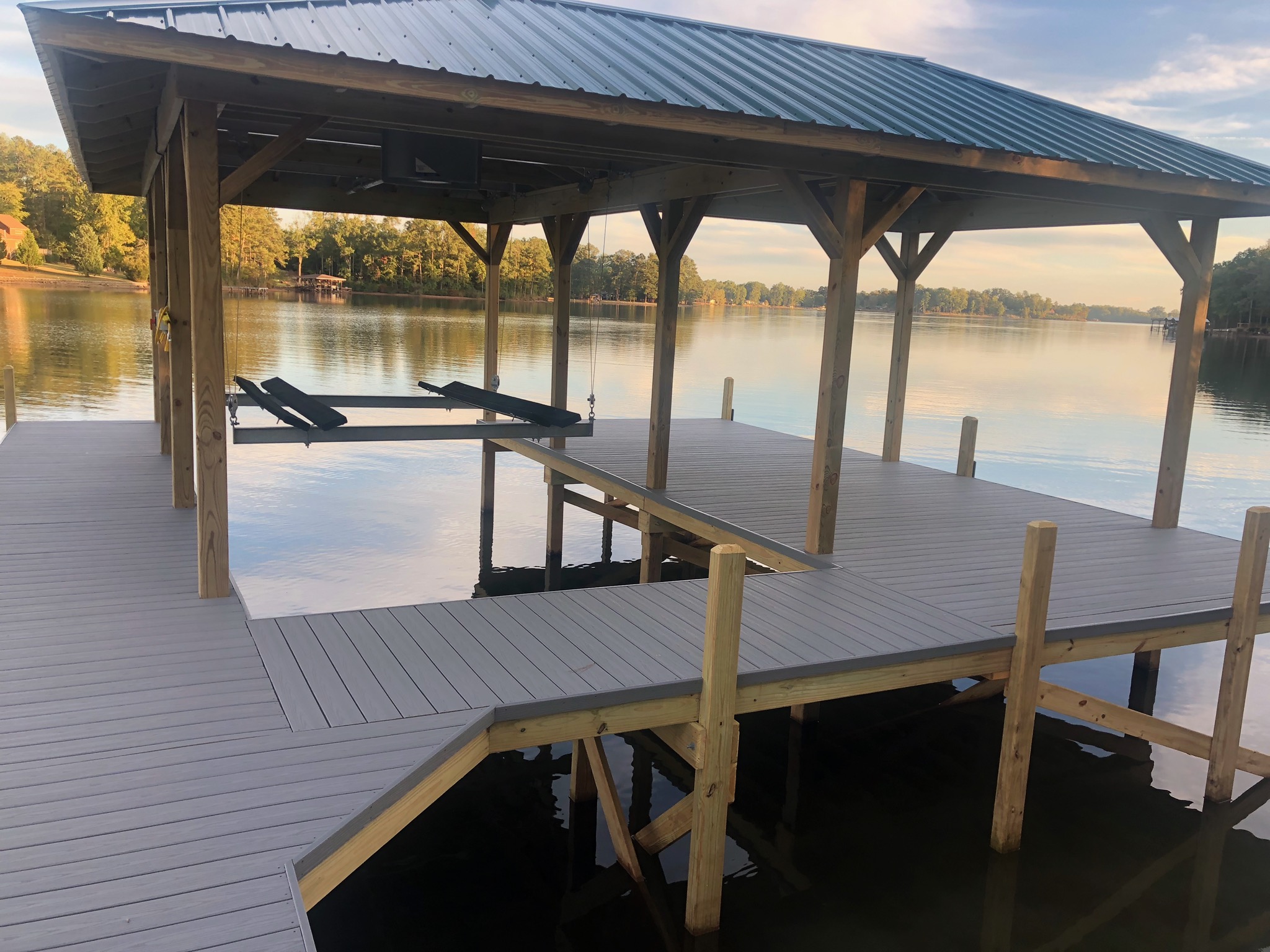
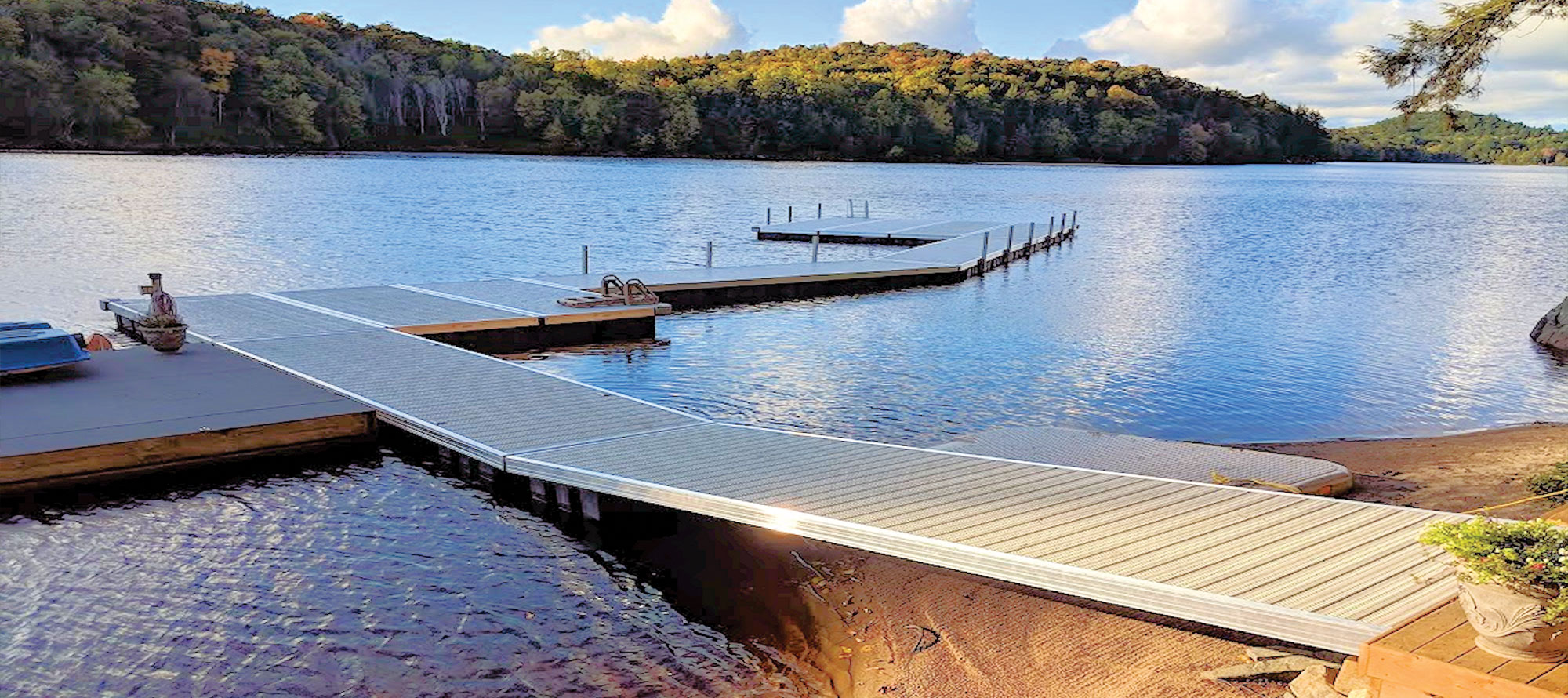
We Design & Build Fun Docks For Your Boats & Jet Skis
A well-designed and constructed dock is essential for various waterfront activities, providing a safe and functional space for boat access, recreation, and other water-related purposes. Here are some key factors that contribute to making a good dock:
Durability and Quality Materials: A good dock is built to withstand the elements, including water, sun exposure, and fluctuating weather conditions. High-quality, durable materials, such as pressure-treated wood, composite decking, or aluminum, contribute to the longevity of the dock.
Proper Design and Layout: The design and layout of the dock should take into consideration the specific needs of the users. This includes factors such as the type and size of boats using the dock, the depth of the water, and the intended activities (e.g., fishing, swimming, or lounging).
Stability and Structural Integrity: The dock should be structurally sound and provide stability for users. Adequate support structures, such as pilings or floats, are essential to ensure that the dock can handle the weight of people, boats, and any additional equipment.
Safety Features: Safety is paramount for any dock. Features such as non-slip decking, handrails, and proper lighting contribute to a safe environment. Edges should be clearly marked, and signage may be necessary to indicate any potential hazards.
Accessibility: A good dock is designed with accessibility in mind. This includes the incorporation of ramps, ladders, or gangways to facilitate easy and safe access for individuals with different mobility levels.
Environmentally Friendly Design: Consideration for the local environment is crucial. Environmentally friendly design practices, such as using eco-friendly materials and minimizing disruption to aquatic ecosystems, contribute to the sustainability of the dock.
Appropriate Size and Configuration: The dock’s size and configuration should align with its intended use. It should be large enough to accommodate boats and other activities without overcrowding, and it should have a layout that allows for efficient movement.
Maintenance Considerations: A good dock is designed with maintenance in mind. Choosing materials that require minimal upkeep, regular inspections, and addressing any wear and tear promptly can extend the dock’s lifespan.
Compliance with Regulations: Ensure that the dock complies with local regulations and permitting requirements. This includes adhering to any zoning, environmental, or safety regulations set by local authorities.
Aesthetics: While functionality is crucial, the aesthetics of the dock can also enhance its overall appeal. Thoughtful design, color choices, and landscaping around the dock contribute to a visually pleasing waterfront area.
Versatility: A versatile dock design allows for multiple uses. For example, a dock that can accommodate different types of watercraft or activities increases its overall utility.
Considering these factors during the design and construction phases will help ensure that the dock meets both practical and aesthetic requirements, making it a valuable and enjoyable addition to any waterfront property.
Contact us today for a quote.