Environmentally Conscious & Sustainable
Key characteristics of living shorelines include:
- Natural Elements: Living shorelines employ vegetation, sand, oyster reefs, or other natural materials to achieve stabilization. These components absorb wave energy, minimize erosion, and offer a more ecologically sustainable alternative to rigid structures.
- Erosion Management: Living shorelines are designed to stabilize the coastline and defend against erosion. The inclusion of vegetation and natural features assists in absorbing and dispersing wave energy, mitigating the impact of storms and reducing erosion.
- Habitat Enhancement: A notable advantage of living shorelines is their capacity to create or enhance habitats for various aquatic and terrestrial species. Vegetated shorelines, in particular, provide essential environments for fish, birds, and other wildlife.
- Water Quality Enhancement: Living shorelines can contribute to improved water quality by filtering pollutants and sediment from runoff. Shoreline vegetation aids in capturing and breaking down contaminants before they enter the water.
- Adaptability: Living shorelines are often more adaptable to changing environmental conditions than rigid structures. They can evolve with natural processes, such as sea-level rise, without negatively impacting adjacent ecosystems.
- Recreational and Aesthetic Benefits: Living shorelines enhance recreational opportunities by providing natural spaces for activities like bird watching, fishing, and kayaking. They also offer aesthetic benefits, blending with the natural landscape and presenting a visually appealing alternative to hard structures.
- Regulatory Compliance: In some regions, living shorelines are encouraged or mandated by environmental regulations as a sustainable and environmentally friendly option for coastal stabilization.
Living shorelines are considered a more environmentally conscious and sustainable approach to coastal management, promoting ecological well-being while offering the necessary protection against erosion and other coastal challenges.
Common types of living shorelines include:
- Vegetated Shorelines: Planting native vegetation along the shoreline for soil stabilization and habitat creation.
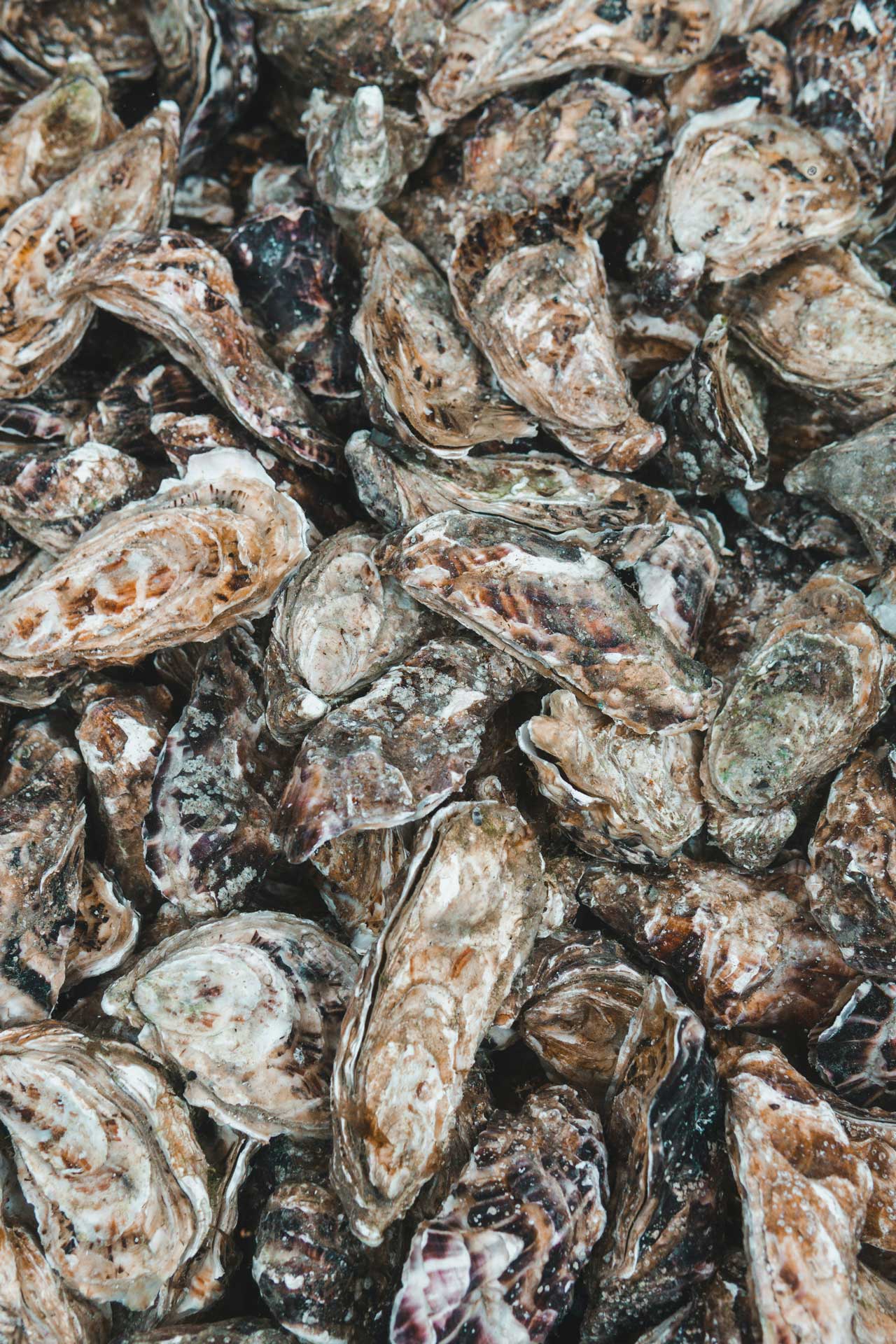
- Oyster Reefs: Constructing oyster reefs to stabilize the shoreline, improve water quality, and provide habitat for marine life.
- Beach Nourishment Adding sand or other sediments to the shoreline to establish a natural buffer against erosion.
Transform your waterfront property sustainably! Discover the benefits of a living shoreline — a natural, eco-friendly solution that enhances resilience and promotes habitat restoration. Ready to safeguard your shoreline while contributing to a healthier ecosystem? Contact us to discuss your needs, explore options, and take the first step toward a greener and more resilient waterfront environment. Let’s create a living shoreline that not only protects but also enhances the natural beauty of your coastal property.
Contact us today for a quote.